Randy E. Barnett, 2008
Carmack Waterhouse Professor of Legal Theory, Georgetown University Law Center
Expertise
Legal theory, constitutional law and contracts
Project
The reconstructed Constitution
The Dorothy Tapper Goldman Foundation advances the principles of America’s founding documents through educational programs for students across all media so that our young Americans can be better informed about the founding of our republic and the citizens who created the founding documents. A greater understanding of our American principles and ideas will lead to more informed citizens and voters.
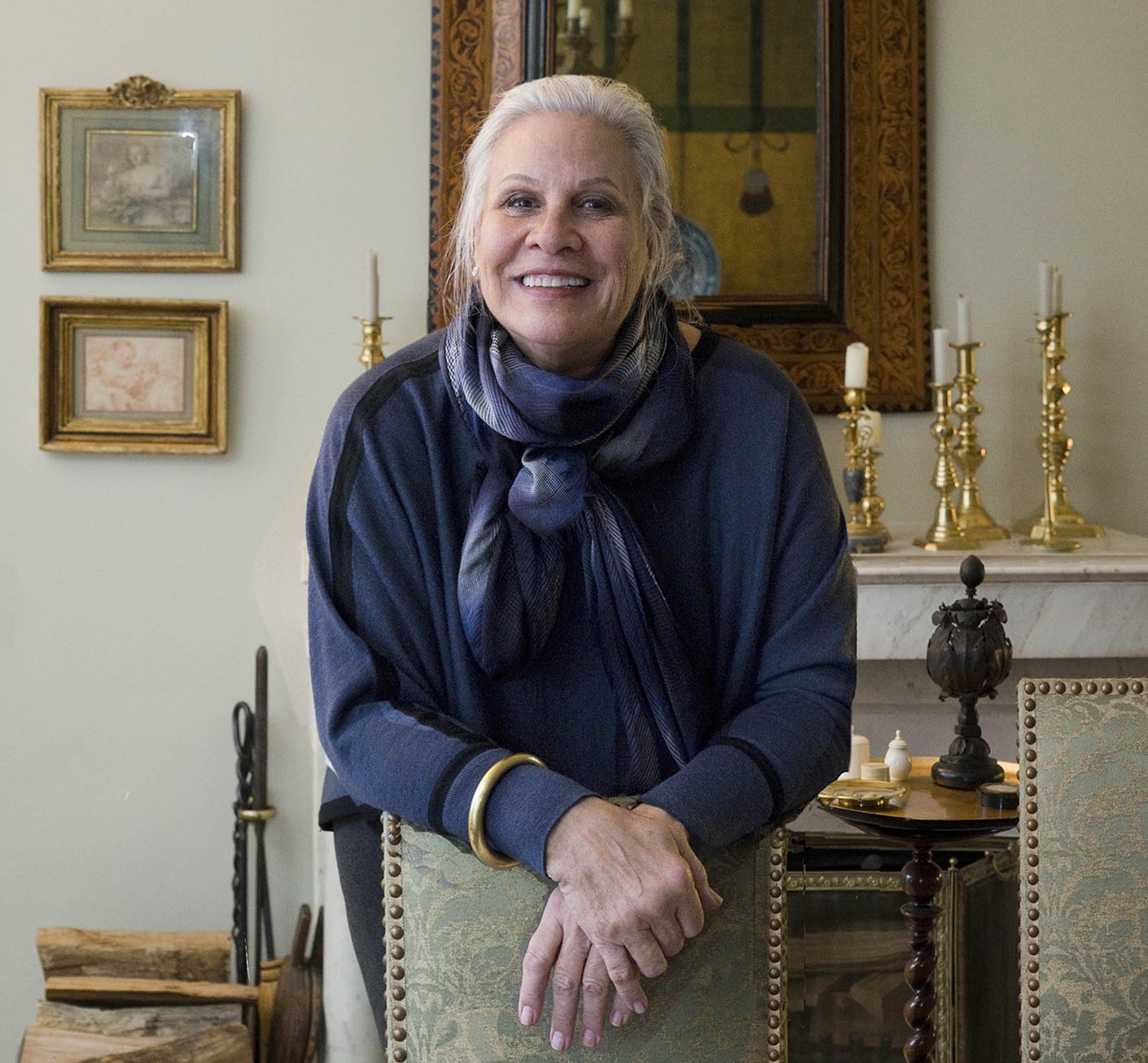
© Gitty Darugar
Dorothy Tapper Goldman (1944-2023) was a force—curious, determined, adventurous, and fun, with a great sense of humor and an infectious laugh. She was a wonderful person to be friends with, and an easy one as well. She was also a visionary with a deep feeling for democracy. She believed in it as the best and most noble form of government.
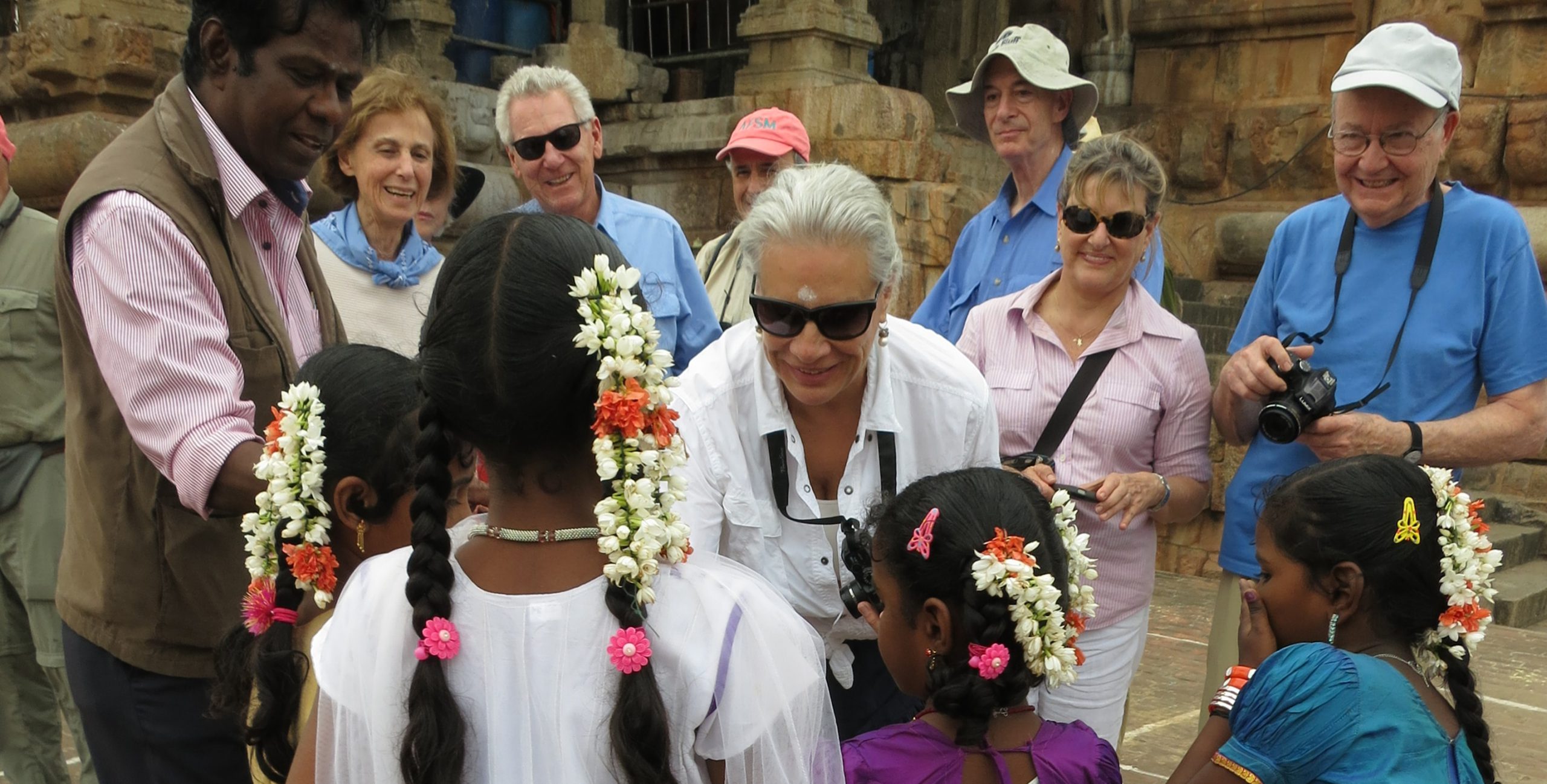
India, Southern
Dorothy and her beloved husband S. Howard Goldman (1930-1997) were stewards of an incomparable American founding document: one of only 14 original copies of the U.S. Constitution printed in 1787. After Howard’s death, Dorothy took their shared interest further by building an unmatched collection of more than 250 U.S. state constitutions and other important historical documents from throughout American history. She shared her collection with the public in Colonists, Citizens, and Constitution: Creating the American Republic, an exhibition that appeared at the New York Historical Society and the Museum of the American Revolution in 2020 and 2021. Her friend Ruth Bader Ginsburg, Associate Justice of the U.S. Supreme Court, wrote the foreword of the accompanying exhibition catalogue.
Later in her life, Dorothy decided to sell her collection, including the U.S. Constitution, and used the proceeds to establish the DTG Foundation. She had strong ideas about what she wanted the DTG Foundation to support and remained open to creative possibilities. Dedicated to furthering the understanding of American constitutional principles, the DTG Foundation provides grants for educational, artistic, and cultural initiatives that advance the civic ideals of America’s founding documents. This was Dorothy’s vision, and today, at one of the most decisive moments in American democracy, the DTG Foundation’s mission is more crucial than ever.
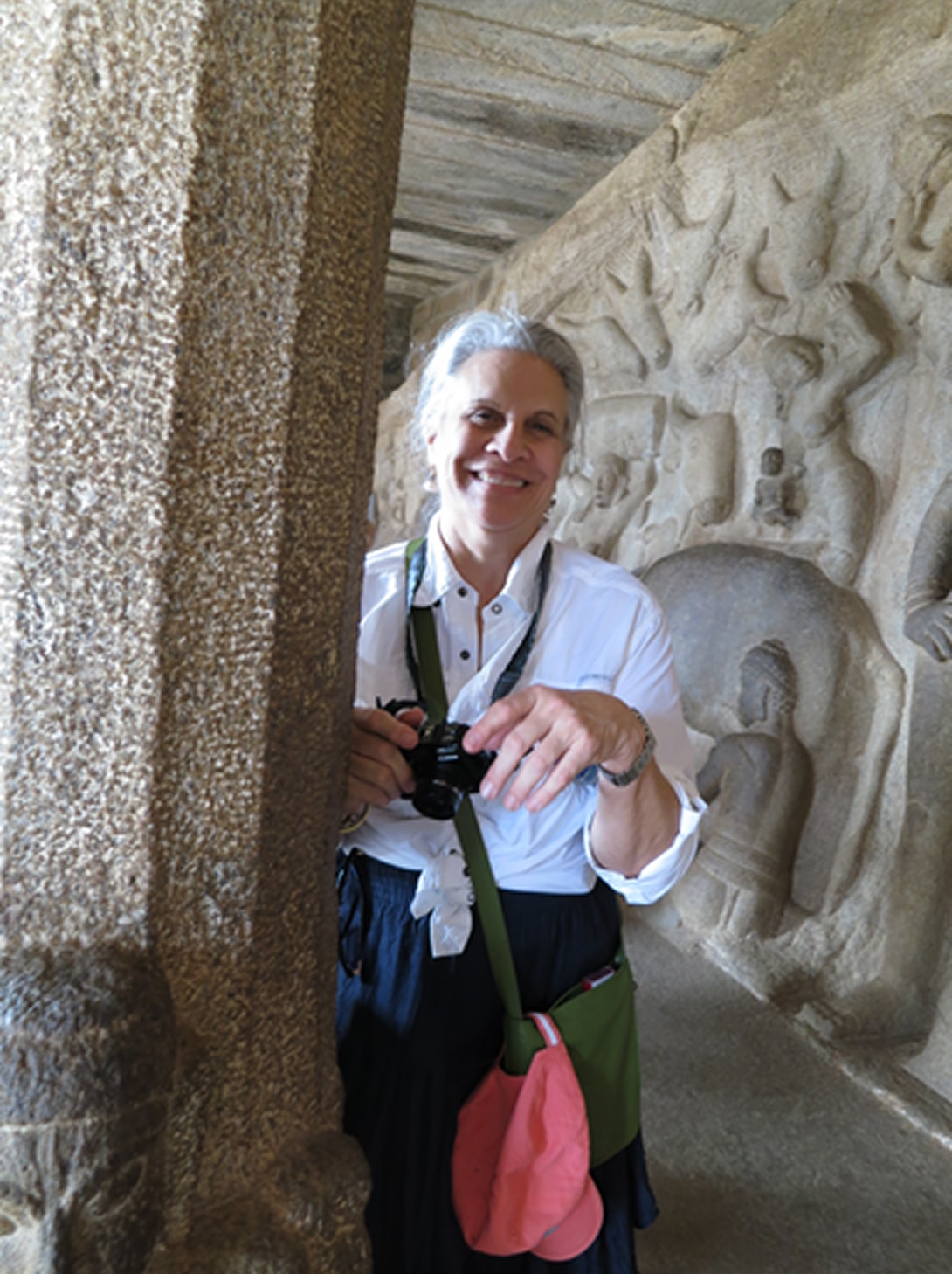
January 13, 2014, India, Krishna mandapa (cave temple) at Mamallapuram
Dorothy approached her philanthropy as an educator. Raised in Cleveland, Ohio, she earned a B.S. in Education from Tufts University and an M.S. in Education from the Massachusetts College of Art. At the culmination of her professional career, she served as a tenured professor at Wentworth Institute of Technology in Boston, where she taught in the departments of Interior Design and Architecture. Earlier in her career she was a preschool teacher, later a practicing artist in her own right with a sculpture studio, and taught sculpture at an independent high school in the Boston suburbs. She had two children, Mark Polansky and Barbra Siskin. She was wildly proud of her two granddaughters, Mia and Avalon Siskin.
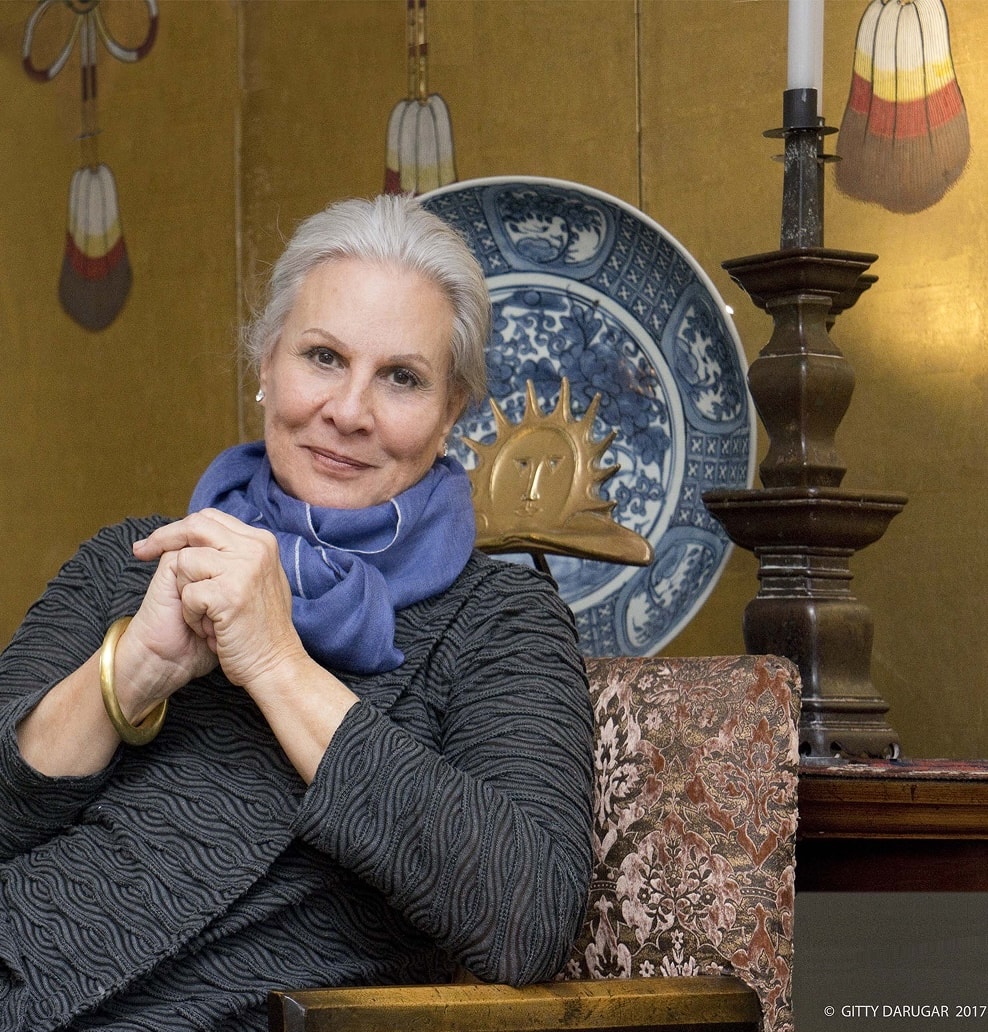
© Gitty Darugar Paris 2017 Dorothy Goldman
Throughout her life Dorothy became involved with and gave generously to many historical and cultural organizations, including the New York Historical Society, the Jewish Theological Seminary, the Metropolitan Museum of Art, the Smithsonian Museum of American Art, National Constitution Center, and the Supreme Court Historical Society. Dorothy also established and later endowed a Fellowship in Constitutional Studies for the John Simon Guggenheim Memorial Foundation.
Dorothy named her daughter Barbra Siskin as the Executive Director of the DTG Foundation to find ways to create impact and continue the work she started.
Bio courtesy of Edward Hirsch, President, John Simon Guggenheim Memorial Foundation
Barbra (Barb) Siskin serves as President and Sole Director of the Dorothy Tapper Goldman Foundation (DTG Foundation), continuing and expanding the philanthropic vision established by her late mother, Dorothy Tapper Goldman. Based in Mill Valley, California, and New Orleans, Louisiana, Barb brings a lifelong passion for history, culture, music, and creating opportunities for others, especially young people, to realize their own paths and potential.
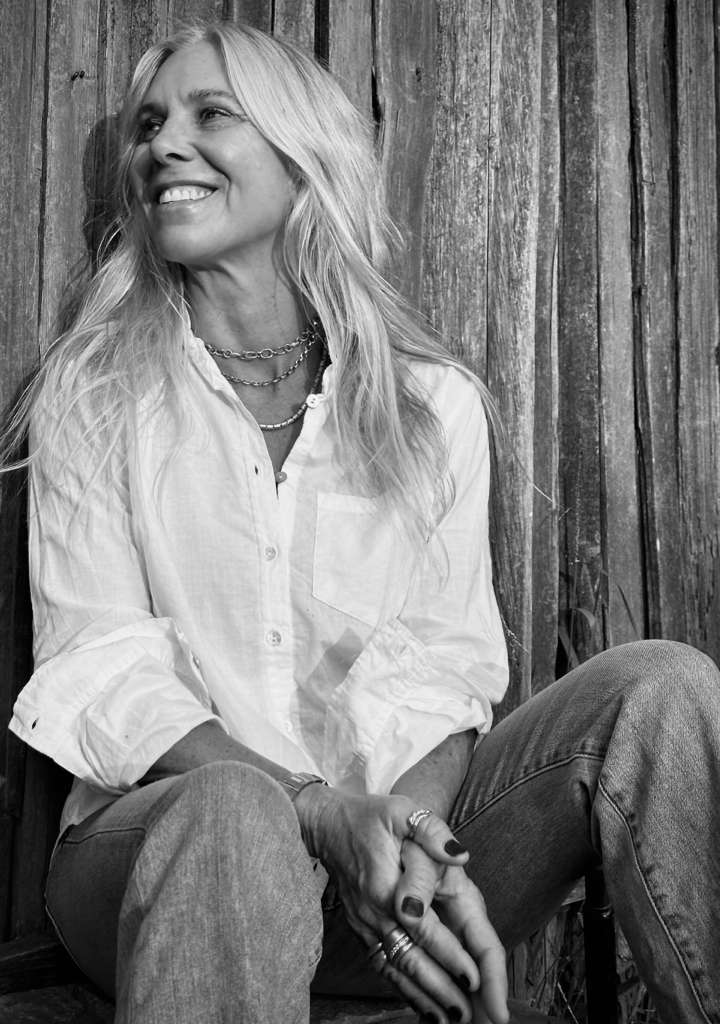
Before assuming leadership of the DTG Foundation, Barb built a distinguished career spanning nearly three decades as a professional archaeologist in cultural resources management. She earned a Bachelor of Arts in Anthropology from Tulane University and a Master of Arts from Sonoma State University in Anthropology and began her professional career as an archaeologist in 1994. Over the course of her work throughout the western United States, she developed expertise in cultural resources management, environmental compliance, and the interpretation and implementation of complex federal, state, and local regulations. Her work brought together government agencies, utilities, and private-sector clients, and Native American Tribal groups and representatives to navigate the respectful treatment of cultural resources.
As project manager and principal investigator, Barb led archaeological and environmental compliance projects with a particular focus on Native American archaeology, consultation, and collaboration. She later became a partner at Far Western Anthropological Research Group, one of the nation’s most respected archaeological consulting firms. During her tenure, she established and led the firm’s Marin County office, served on its executive team, helped shape organizational growth and business operations, and mentored a generation of emerging professionals in the field, a role she continues to embrace today.
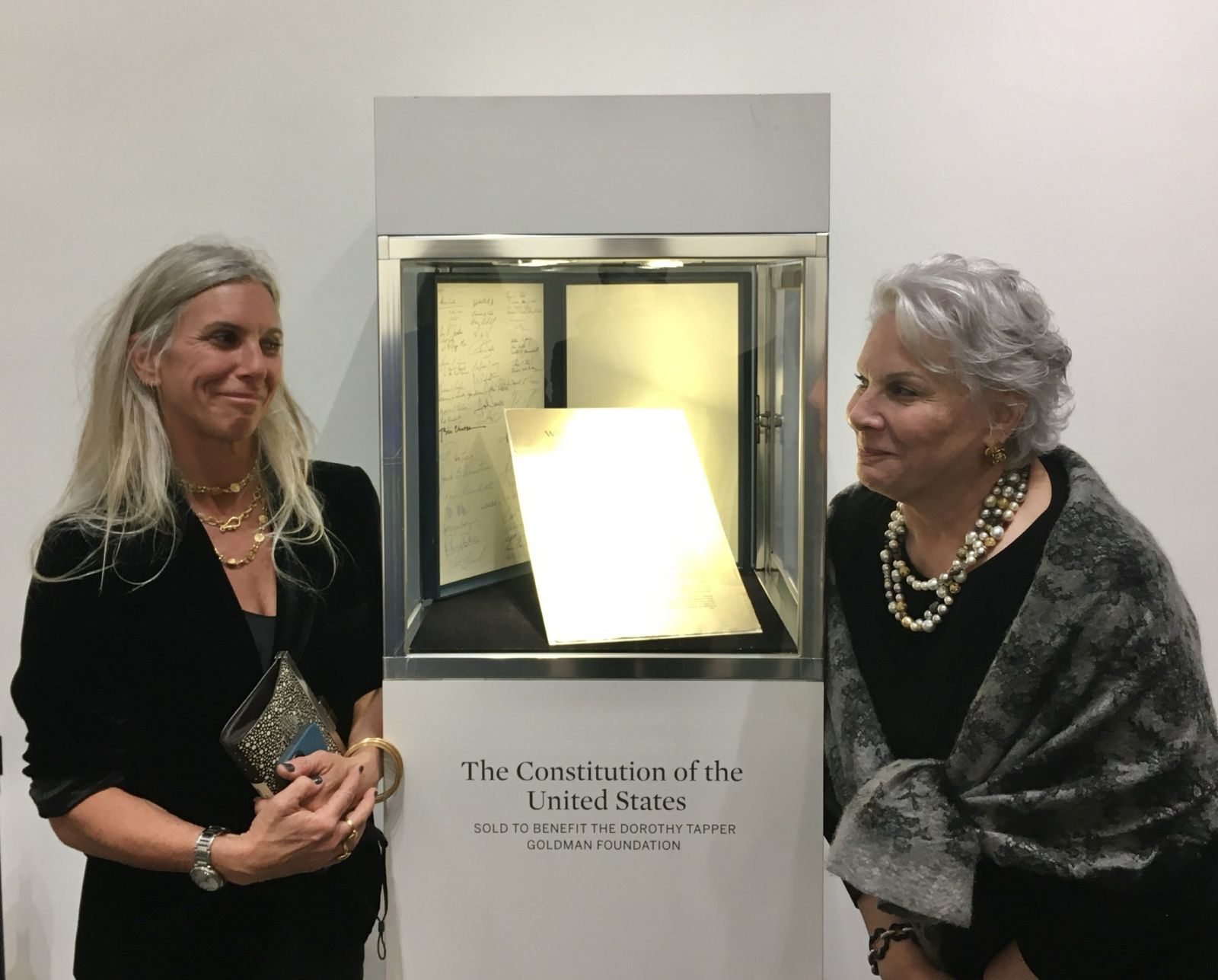
Barb now leads the DTG Foundation in carrying forward the legacy of her late mother, Dorothy Tapper Goldman, an artist, collector of American historical documents and art, philanthropist, teacher, and passionate champion of constitutional education. Dorothy expanded the Foundation’s reach through the sale of the exceptionally rare first printing of the final text of the United States Constitution, transforming a historic artifact into a lasting philanthropic resource. Today, under Barb’s leadership, the Foundation supports civic education, cultural preservation, indigenous history and education, arts and culture, and programs that help young people through education, mentorship, and the arts. Music, in particular, has become an important avenue for the Foundation’s work, reflecting Barb’s belief in its power to inspire confidence, community, creativity, and joy. Barb also serves as a trustee of the John Simon Guggenheim Memorial Foundation, where Dorothy established and later endowed a Guggenheim Fellowship in Constitutional Studies and where the DTG Foundation now also supports a fellowship in Indigenous Studies. Barb’s leadership is guided by many of the same values that shaped her career in archaeology: curiosity and collaboration, respect for history, a commitment to preserving cultural heritage, and a belief that understanding the past can help build a stronger future.
Barb’s connection to New Orleans began in 1988 when she arrived as a freshman at Tulane University. A lifelong music enthusiast whose passion was first nurtured in Boston’s vibrant music scene, and a newly minted Grateful Dead fan, she quickly found a lasting path for discovery in New Orleans’ rich cultural traditions. The city’s music, people, history, and spirit have remained central to her life ever since, and today inform the Foundation’s support for the Trombone Shorty Foundation’s youth educational programs and the preservation of New Orleans’ musical traditions.
Barb lives on the slopes of Mount Tamalpais in Mill Valley, California, where she enjoys spending time outdoors with her family and dogs. She is the proud mother of two daughters, one a recent Tulane graduate and the other currently in high school, and she continues to divide her time between California and her beloved home in New Orleans—with frequent travel and visits to New York City.
Newell Literacy Lab
Tribal communities that are utilizing civic engagement for opportunity youth engagement, leadership and curriculum development, and community designed workshops
The Braided Science Institute’s Center for Ecocultural Research and Two-Eyed Seeing
Capital and General Support
Institute for Constitutional Advocacy and Protection at Georgetown Law
Pilot: Strengthening U.S. K-12 Indigenous History Education
General Support
Fellowship in Constitutional Studies, Endowed Support
Fellowship in Indigenous Studies
NOLA Funk Fest
Thomas J. Watson Library
Historical Simulations Project (2022 – 2025)
Student Support Fund
Visionary Fund
Dorothy Tapper Goldman Center for Teaching Democracy
Dorothy Tapper Goldman Mezzanine Gallery
Rabbinic and Cantorial Internships
Reinstallation and Indigenous Art
Sweet Relief Benefit: Honoring Taj Mahal
General Support
Youth Programs, Cultural Experiences, and Music Industry Apprenticeships
Carmack Waterhouse Professor of Legal Theory, Georgetown University Law Center
Expertise
Legal theory, constitutional law and contracts
Project
The reconstructed Constitution
Theodore J. St. Antoine Collegiate Professor of Law, University of Michigan
Expertise
Law, theory and history of the U.S. Constitution
Project
Constitutional authority in the wake of civil war
Dean, University of Virginia School of Law
Expertise
American constitutional and civil rights law
Project
Vagrancy law in the 1960s: published as Vagrant Nation (Oxford U.P., 2016)
Josephine R. Witte Chair, University of Iowa College of Law
Expertise
U.S. legal history, constitutional law
Project
The Law of the Antebellum Frontier, 1796–1857
Stephen Yeazell Endowed Chair in Law, UCLA School of Law
Expertise
Constitutional law and theory, international human rights
Project
The New Commonwealth Model of Constitutionalism (Cambridge U.P., 2013)
Professor of Law, University of Wisconsin–Madison Law School
Expertise
Comparative Islamic and U.S. constitutional law
Project
Islamic constitutionalism for the 21st century
Professor of Law, Harvard Law School
Expertise
Islamic law and society; also animal law
Project
Constitutional Islam: genealogies, transmissions, and meanings
Burke Chair of American Cultural and Intellectual History and Associate Professor, History, University of Maryland
Expertise
Law in early American history and early British empire
Project
Inheritable Blood: Slavery and Sovereignty in Early America and the British Empire
Arlin M. Adams Professor of Constitutional Law and Professor of History, University of Pennsylvania Carey Law School
Expertise
Law of church and state, religion in American public life
Project
Freedom’s Holy Light: Disestablishment in America, 1776–1876
Dahr Jamail, Randall Hage Jamail, and Robert Lee Jamail Regents Chair, The University of Texas at Austin School of Law
Expertise
Labor law, American legal history, higher education and the law
Project
Academic Freedom in the United States: History, Theory, Law
Shelby M.C. Davis 1958 Professor of History, Princeton University
Expertise
British history, comparative constitutionalism
Project
The Sword and the Pen: Conflict and the Making of Constitutions
Charles Howard Candler Professor and Chair of African American Studies, Emory University
Expertise
Public policy regarding race, minority rights, and criminal justice
Project
The Second: Guns and A Most Deadly Double Standard at the Core of our Fundamental Rights
Professor of Law, Georgetown University Law Center
Expertise
Constitutional law, constitutional history, sports law
Project
Felix Frankfurter and the Creation of the Liberal Establishment
Carl and Sheila Spaeth Professor of Law, Stanford Law School
Expertise
Comparative law, constitutional history, constitutional law
Project
Common Law Originalism: The Constitution’s Contested Meanings
Lewis Talbot and Nadine Hearn Shelton Professor of International Legal Studies, Stanford Law School
Expertise
Alternative dispute resolution, civil procedure and litigation, comparative law (more)
Project
Arbitration and the Remaking of the American State
Judd and Mary Morris Leighton Professor of Law, Northwestern Law School
Expertise
Antidiscrimination law, across categories and contexts
Project
The Culture War Over Girls’ Sports: Transgender Rights and the Social Meaning of Sex and Sports
Charles W. Ebersod and Florence Whitcomb Chair in Constitutional Law, Ohio State University; Director, Election Law at Ohio State
Expertise
Campaign finance, constitutional law, election law, voting rights
Project
Destroying Democracy by Law
Laurance S. Rockefeller Professor of Sociology and International Affairs and the University Center for Human Values, Princeton University; Faculty Fellow, University of Pennsylvania Law School
Expertise
The rise and fall of constitutional government
Project
Destroying Democracy by Law